Eleven Days Lost in the Smokies: How a Hiker Was Found Alive
When David Yoon stepped off-trail to photograph a creek, he could not find his way back. The search that followed involved 380 volunteers, two helicopters, and one decision that probably saved his life.

David Yoon was a day hiker, not a backpacker. On the morning of October 12, 2025, he parked at the Newfound Gap trailhead in Great Smoky Mountains National Park with a small daypack, a liter of water, two granola bars, a rain shell, and a fully charged phone with no signal. He planned to walk to Charlies Bunion and back, a 13-kilometer round trip on well-marked trail. He did not file a plan with anyone.
He was found 11 days later, alive, by a volunteer search team near the headwaters of Walker Camp Prong, roughly six kilometers from where he had started.
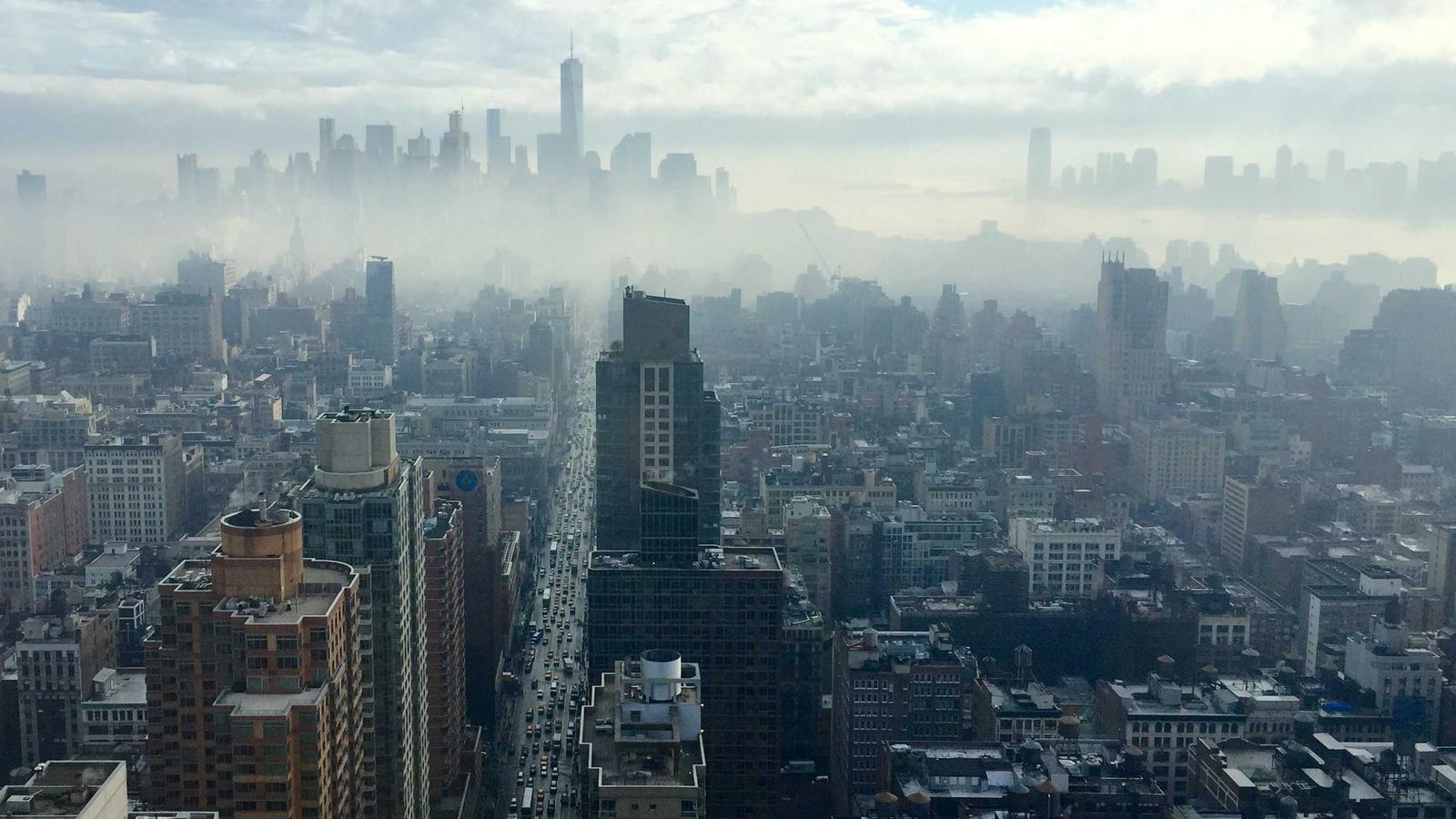
Yoon, 34, a software engineer from Charlotte, told investigators afterward that he had stepped off the Appalachian Trail to photograph a small cascade about three kilometers in. He took the photo, turned to climb back to the trail, and chose what he thought was the same drainage. It was not. The Smokies, particularly in the Newfound Gap area, are laced with parallel drainages that look very similar in fog, and a fog had moved in while he was at the creek.
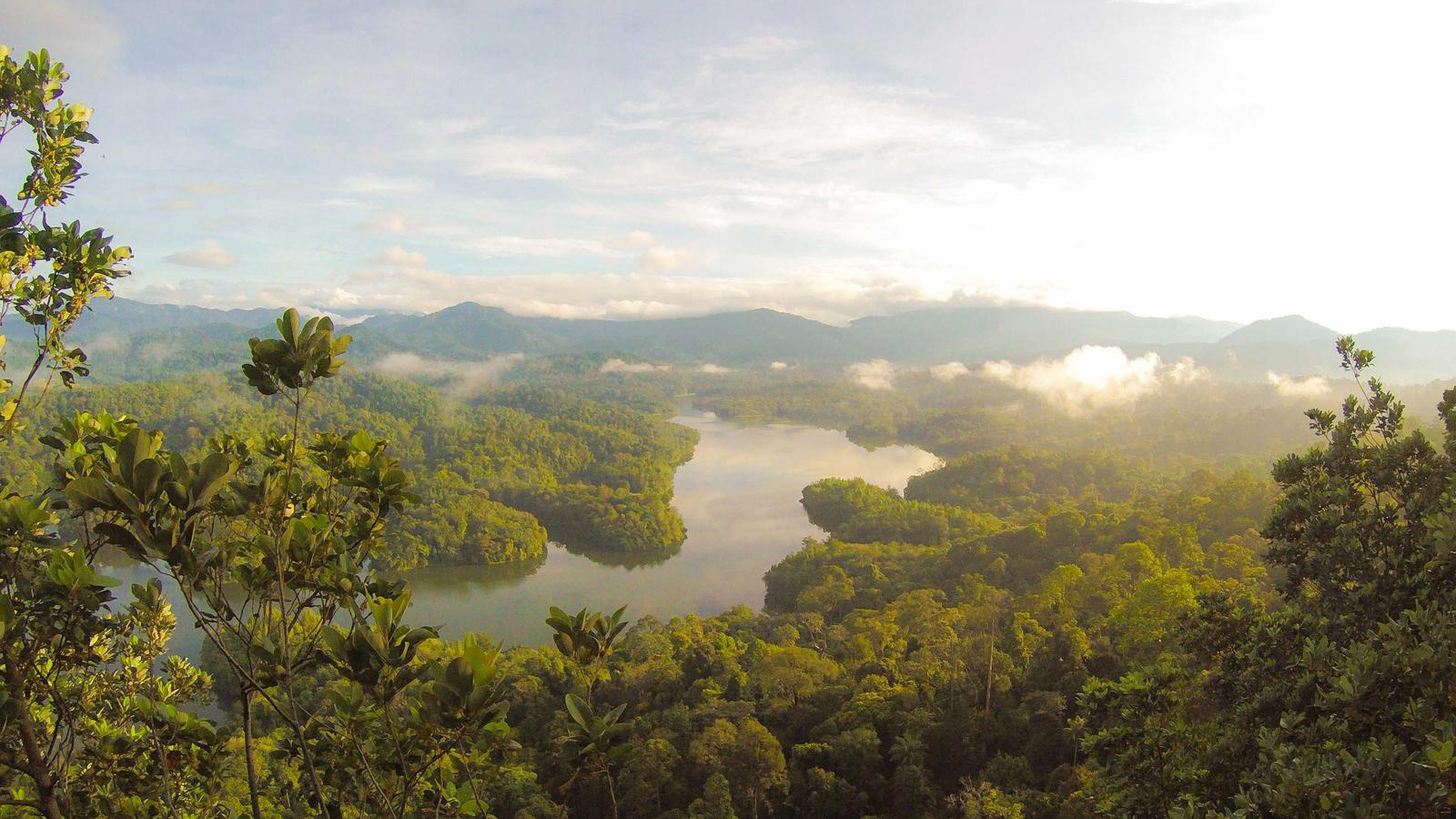
He walked downhill for most of the first day, which is the standard mistake. Downhill in the Smokies tends to lead into rhododendron tangles and steep, unmappable terrain rather than toward roads. By nightfall he was in a drainage he could not name, with no signal, no map, and the granola bars gone.
The search began the next afternoon when his car was reported by a ranger doing routine sweeps. By the third day, the National Park Service had stood up an incident command with mutual aid from two county sheriff's offices, the Tennessee Highway Patrol, and the regional search-and-rescue council. At its peak, the search involved 380 personnel, mostly trained volunteers, working in grids across roughly 65 square kilometers of terrain.
He walked out under his own power for the first kilometer, then accepted a stretcher carry for the remainder. He was helicoptered to a hospital in Sevierville and released after three days.
Yoon did one thing in the first 72 hours that almost certainly saved his life. After his second night, he stopped walking. He found a flat patch of ground next to the creek he had been following, built a small lean-to from fallen hemlock branches, and stayed there. He drank from the creek. He did not eat for the next eight days, except for a handful of partridgeberries on day six, which he ate sparingly because he was not certain of the identification.
The decision to stop is the one trained searchers ask civilians to make and the one civilians almost never make. Moving lost people are harder to find and tend to injure themselves. Stationary lost people, even ones who have made every other error, can be found by a grid search if they are alive when the search begins.
Yoon was found on the morning of October 23 by a two-person ground team from the Smoky Mountain Search and Rescue Team. They heard him before they saw him. He had been calling out at intervals, a tactic he had read about in an article years before and remembered on day four. His voice by then was a whisper, but the woods were quiet, and one of the searchers, a retired teacher named Brenda Wills, caught the sound from perhaps 40 meters away.
He had lost 14 kilograms. He had a mild case of trench foot from sleeping in damp boots. He had not, surprisingly, developed hypothermia, which the team attributed to the lean-to and to a pair of merino wool base layers he had been wearing under his shell.
He walked out under his own power for the first kilometer, then accepted a stretcher carry for the remainder. He was helicoptered to a hospital in Sevierville and released after three days.

Yoon has spoken about the experience reluctantly and only in specific venues. He gave one interview to the park service for a training video on day-hiker preparation. He spoke at a regional search-and-rescue conference in 2026. He has declined media interviews.
What he says in the venues he does speak in is consistent. He made a series of small errors that compounded. He did not file a plan. He carried a phone but no map. He stepped off-trail in fog. He walked downhill when he was lost. He did not signal with anything reflective, because he carried nothing reflective.
The thing he did right, he says, was to stop. He credits the decision to a half-remembered conversation with a coworker who had volunteered with a search team in Oregon. The coworker had said, simply: if you are lost, sit down. Yoon sat down on the third day. He believes that without that decision, the searchers would have been looking for a body.
He returned to hiking the following spring, on shorter routes, with a satellite communicator clipped to his shoulder strap and a paper map in a waterproof sleeve in his pack. He files a plan with his sister, who lives in Raleigh, before every hike. The plan includes a turnaround time and a panic time. If he has not checked in by the panic time, she calls the park.
He has not been back to Newfound Gap.
Filed under
Written by
Priya Mehta
Priya Mehta writes for The Shoreline on stories worth sitting with.
The Reader Mail
Receive each new issue.
A weekly letter with the new pieces, an editor's note, and one quiet recommendation. No advertising. Unsubscribe at any time.
We send roughly one letter a week. We do not share the list with anyone.
More in Survivors