She Walked Her Two Children Out of a Wildfire Perimeter
When the evacuation order came too late, Hannah Reyes made a decision she had rehearsed in her head for years. She walked her seven- and four-year-old through the burn scar to a paved road.
The fire that burned through the eastern edge of the small community of Greenwater, in Washington's Cascade foothills, on the afternoon of August 21, 2025, moved faster than the evacuation order. By the time the sheriff's deputies reached the cluster of homes on Forest Service Road 7174, where Hannah Reyes lived with her two children and her husband, the fire was already in the timber on the ridge above. The deputies told her to leave immediately and turned to the next house.
Her husband was at work in Tacoma, two hours away. Her car would not start; the battery, she discovered later, had been failing for weeks. Her nearest neighbor had already evacuated. She had a seven-year-old daughter named Mira and a four-year-old son named Theo.
She walked them out. The walk took six hours and covered roughly 14 kilometers, much of it through ground that had already burned that afternoon. She and her children reached a paved highway shortly before midnight, where a sheriff's deputy on a roadblock saw them step out of the trees.
Reyes, 36, an elementary school librarian, has been reluctant to describe the experience as anything other than a series of practical decisions. She had read, several years before, an article in a regional magazine about wildfire entrapment that described the behavior of a fire front and the relative safety of ground that had already burned. The article had stuck with her. She had walked the access road behind her house with her children many times. She knew where it crossed the county road and where the county road met the highway.
The decisions she made that afternoon, as she has described them in a single interview with a fire science journal, were the following.
When the evacuation order came too late, Hannah Reyes made a decision she had rehearsed in her head for years. She walked her seven- and four-year-old through the burn scar to a paved road.
She did not stay in the house. The house was wood-frame, with a cedar shake roof and Douglas fir within meters of the eaves. It was not defensible. She did not try to drive the failing car down the access road, which she believed would be choked with other evacuating vehicles and which crossed a ravine that could funnel fire.
She did not walk the access road. She walked a parallel ridge, climbing first to put herself above the immediate fire behavior and then traversing toward the county road. She carried Theo on her back for most of the route. Mira walked.
She made the children put on long pants, long sleeves, and the cotton bandanas they kept for hiking. She wet the bandanas at the kitchen tap before they left. She filled two water bottles. She put a small first aid kit, a headlamp, and her phone in a daypack. She left everything else.
The first three kilometers were in unburned timber, with smoke heavy enough that Mira began to cough. Reyes kept them moving. She has said that she spoke constantly during this stretch, narrating what they were doing, where they were going, and what the next landmark would be. She has said that she did not allow herself to look behind her.
The fire passed below them, in the drainage on their right, at a distance she later estimated at roughly 400 meters. The radiant heat was intense enough to feel on the side of her face. She steered the children further uphill and waited in a small rocky clearing while the front moved past. She has said that this was the part of the walk during which she was most afraid, and the part during which she most consciously controlled her voice.
When the front had passed, she walked the children down into the burn scar. The ground was hot. The air was full of smoke but cooler than the air above the unburned timber. She had read, in the article years before, that the burn scar was generally the safest place to be once the main front had moved through. She found this to be true.
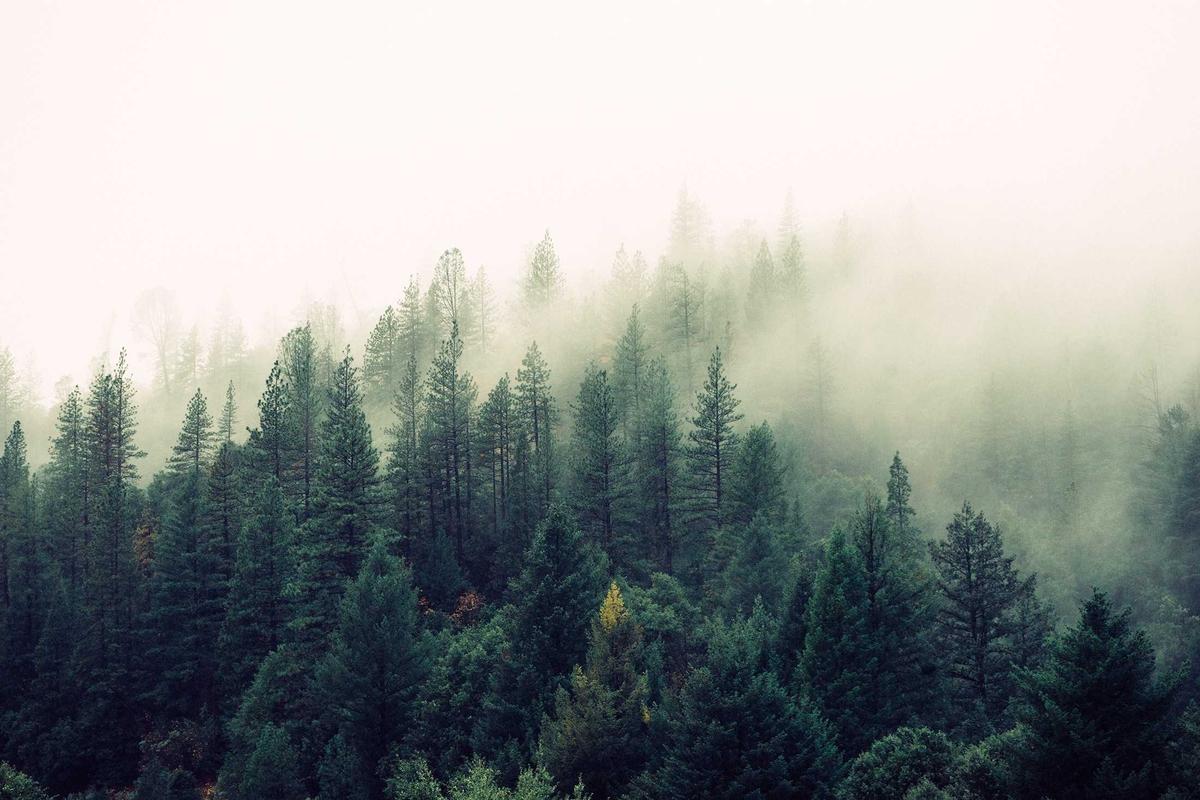
They walked through standing black trunks for perhaps two hours. Theo slept on her back for part of it. Mira held her hand. They reached the county road at dusk, found it closed and empty, and walked it for another five kilometers to the highway.
The deputy at the roadblock gave them water, a foil blanket, and a ride to the evacuation center in Enumclaw. Reyes's husband met them there shortly before two in the morning.
The house burned. The car burned. A neighbor's dog, which Reyes had not been able to find in the few minutes she had to prepare, was found alive two days later in the burn scar, with singed paws but otherwise unhurt.
Reyes has spoken about the experience in two settings: the fire science journal interview, and a presentation at a regional fire preparedness workshop. She has declined television interviews. She is uncomfortable with the framing of the story as a story about a mother's courage. She prefers to talk about the article she read years before, about the parallel ridge she had walked with her children many times, and about the bandanas at the kitchen tap.
She and her family rebuilt on the same property in the spring of 2026. The new house has a metal roof, defensible space cleared to thirty meters in every direction, and an exterior sprinkler system fed by a 10,000-liter tank. Reyes keeps two go-bags by the door from May through October. The bags contain, among other things, two cotton bandanas each.
Mira is in third grade. Theo is in kindergarten. Neither child likes the smell of smoke.
Filed under
Written by
Owen Tate
Owen Tate writes for The Shoreline on stories worth sitting with.
The Reader Mail
Receive each new issue.
A weekly letter with the new pieces, an editor's note, and one quiet recommendation. No advertising. Unsubscribe at any time.
We send roughly one letter a week. We do not share the list with anyone.
More in Survivors