An Off-Duty Pilot Spotted a Brush Fire From a Window Seat and Called It In
Captain Esme Larkin was supposed to be off the clock, flying home in row 14F. What she saw out the window over the San Bernardino mountains turned a Sunday afternoon into a save.
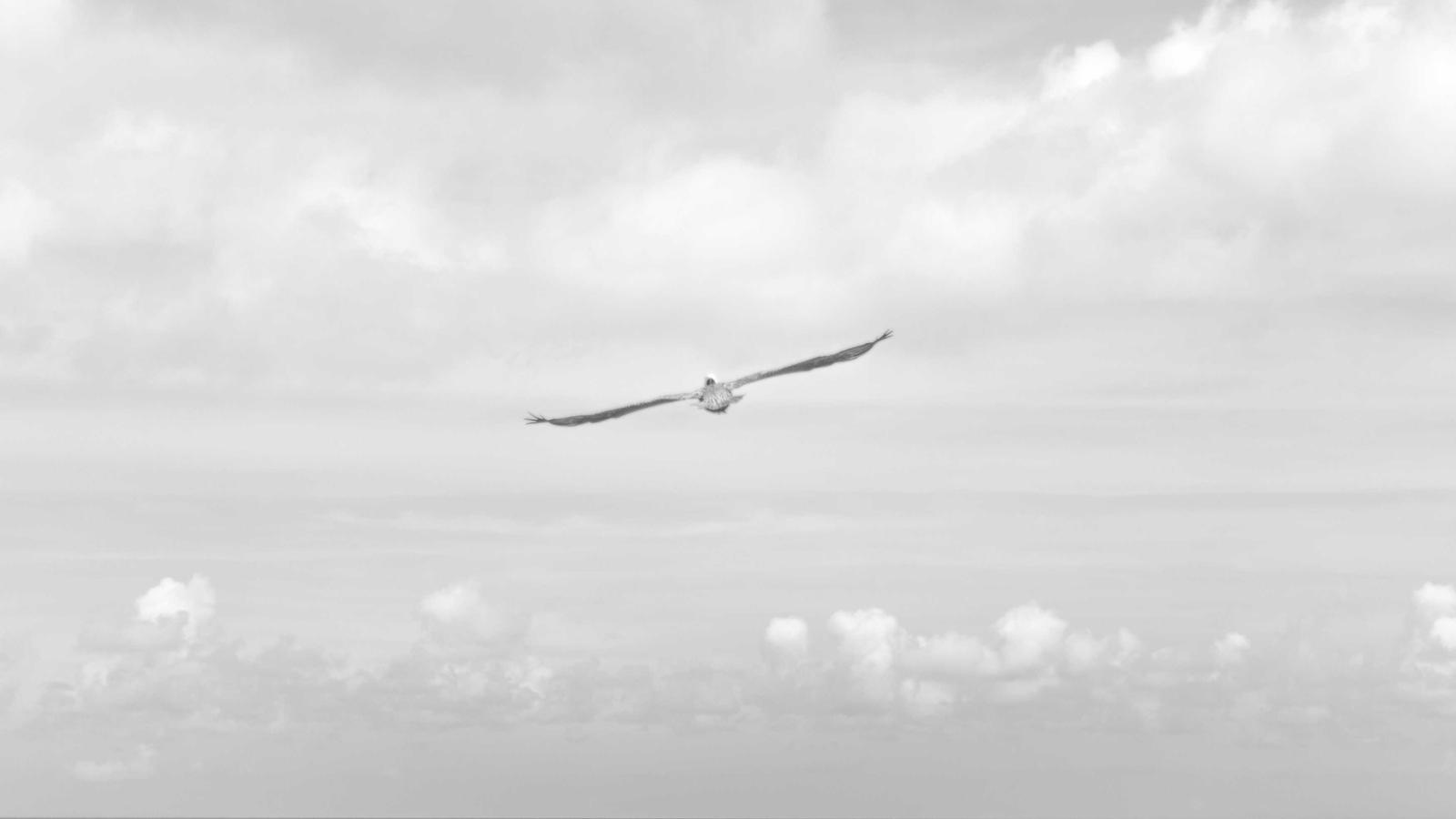
The flight from Phoenix to Los Angeles on the afternoon of Sunday, May thirty-first, was scheduled to land at four eighteen.
In seat 14F was Captain Esme Larkin, a thirty-nine-year-old commercial pilot for a regional carrier, deadheading home in jeans and a navy fleece. She had flown four legs in three days and was looking forward to a hot shower and her cat, who would be furious with her.
The flight was uneventful through the cruise phase. Esme dozed lightly with a paperback open on her lap. She woke up as the descent began, looked out the window, and went back to her book.
Then, about twelve minutes from landing, she looked out the window again.
The airplane was somewhere over the eastern edge of the San Bernardino National Forest, descending through about fourteen thousand feet, in clear weather and good visibility. The mountains below her were green from a wet spring, with patches of brown chaparral.
What she saw, on a ridge slightly south of the flight path, was a thin column of pale gray smoke.
She watched it for about ninety seconds.
It was not a campfire. She has been around enough small fires in her life to know what a campfire's smoke looks like at altitude. It was not a controlled burn either. There was no smoke plume marker on the forecast briefing she had glanced at that morning.
It was, as far as she could tell, an unreported brush fire in its early stages. The column was still narrow but already taller than it had been when she first noticed it.
She did the math in her head. The fire was small. The wind, based on the airplane's drift, was probably out of the southwest at maybe fifteen knots. The vegetation was dry-cured chaparral after a hot week. If the fire was not reported and contained within the next hour, it would not be small for very long.
She pressed the flight attendant call button.
He was back in under two minutes.
The flight attendant who came over was a young man named Diego, who recognized her as another airline employee from the small enamel pin on her fleece. Esme explained, calmly, what she was looking at out the window. She asked if he could get a message to the flight deck.
He was back in under two minutes.
The captain, a man named Bret Hollis, sent word back that he would make the report on the appropriate frequency and that he appreciated her catching it. He also passed back his thanks personally, which Diego relayed with a small smile.
Captain Hollis radioed Los Angeles Center. Los Angeles Center contacted CAL FIRE. CAL FIRE dispatched a spotter aircraft from the San Bernardino Air Attack Base.
The spotter aircraft was overhead the smoke column twenty-three minutes after Esme had first noticed it. A pair of S-2T air tankers and two helicopters were rolling within forty minutes. The first retardant drop hit the leading edge of the fire just over an hour after Captain Hollis's initial call.
The fire, which CAL FIRE later named the Mill Ridge Incident, was contained at thirty-four acres.
The official cause was determined to be a poorly extinguished campfire from the previous evening, in a small dispersed camping area off Forest Road 1N09. The campers were long gone. They have not been identified.
What is known, and what CAL FIRE has been willing to say on the record, is that the fire was burning in a position and a wind that would have likely sent it into a populated area of Yucaipa within twelve to fifteen hours if it had not been spotted.
Esme Larkin landed at four eighteen, as scheduled. She got her bag from the overhead bin, said goodbye to Diego, and walked through the terminal in her jeans and navy fleece without saying a word about the smoke.
She got home. She fed her cat, who was indeed furious. She took a hot shower. She made a grilled cheese sandwich.
She did not know, at that point, that anything had come of the report.
She found out two days later, when a CAL FIRE captain named Manuel Robles called her cell phone. He had gotten her number through her airline. He told her, in a voice she has described as warm and slightly tired, that he wanted her to know what had happened.

He told her about the thirty-four acres. He told her about the wind. He told her about Yucaipa. He told her that the early call had almost certainly prevented a much larger fire and that it might well have saved structures and lives.
Esme said thank you. She said she had only made a phone call, in a manner of speaking. She said the people who had flown the tankers had done the actual work.
Captain Robles said something she has repeated since. He said you cannot put out a fire you do not know about. He said the first ten minutes of a wildfire are the only ones that are cheap. He said her ninety seconds at fourteen thousand feet had been worth more than he could easily explain.
The story did not make the news for almost three weeks. It came out through CAL FIRE's own public information office, in a short post about the Mill Ridge containment, which mentioned an off-duty airline pilot who had reported the smoke.
A reporter at the Press-Enterprise tracked Esme down. She agreed to a brief phone interview. She was, by all accounts, a difficult subject. She kept redirecting the credit. She talked at length about Captain Hollis on the flight deck. She talked about Diego the flight attendant. She talked about Captain Robles and the air attack pilots and the helitack crews.
She did not, at any point in the interview, call herself a hero. She did not even allow the word into the conversation.
She did say one thing that the reporter put high in the piece. She said pilots are trained to look out windows. She said it is what they do for a living. She said the only thing she had done was keep doing it on her day off.
The Mill Ridge Incident is now a small case study at the San Bernardino Air Attack Base, used in briefings to illustrate the value of early reporting. It is referred to internally, sometimes, as the 14F call.
Esme Larkin is back at work, flying her usual rotation out of Los Angeles. Her cat has forgiven her, more or less. She still takes the window seat when she deadheads.
She has admitted, to a friend, that she looks out the window a little more carefully now.
She has also admitted that she has not stopped thinking about the campers who never came back to put their fire out, and about the town of Yucaipa, twelve hours downwind, that never knew it had been close to something.
She does not, she says, lose sleep over it. She just keeps her eyes open.
Filed under
Written by
Marcus Bell
Marcus Bell writes for The Shoreline on stories worth sitting with.
The Reader Mail
Receive each new issue.
A weekly letter with the new pieces, an editor's note, and one quiet recommendation. No advertising. Unsubscribe at any time.
We send roughly one letter a week. We do not share the list with anyone.
More in Heroes
Keep reading
Heroes
A Cashier at a Bismarck Grocery Store Paid for a Family's Cart Without Anyone Asking
Lila Renshaw · 5 min read

Heroes
A Man Sleeping Outside a Memphis Library Returned a Wallet With Four Thousand Dollars
Priya Mehta · 5 min read

Heroes
A Boston Surgeon on a Hiking Trip Improvised an Operating Room in a Ranger Station
Owen Tate · 5 min read