A Wild Doe and a Barn Cat Have Become Inseparable on a Vermont Hillside
On a small farm outside Craftsbury, a yearling whitetail and an orange tomcat named Rutherford spend their mornings together. Wildlife biologists urge caution, but the friendship is, by all appearances, real.
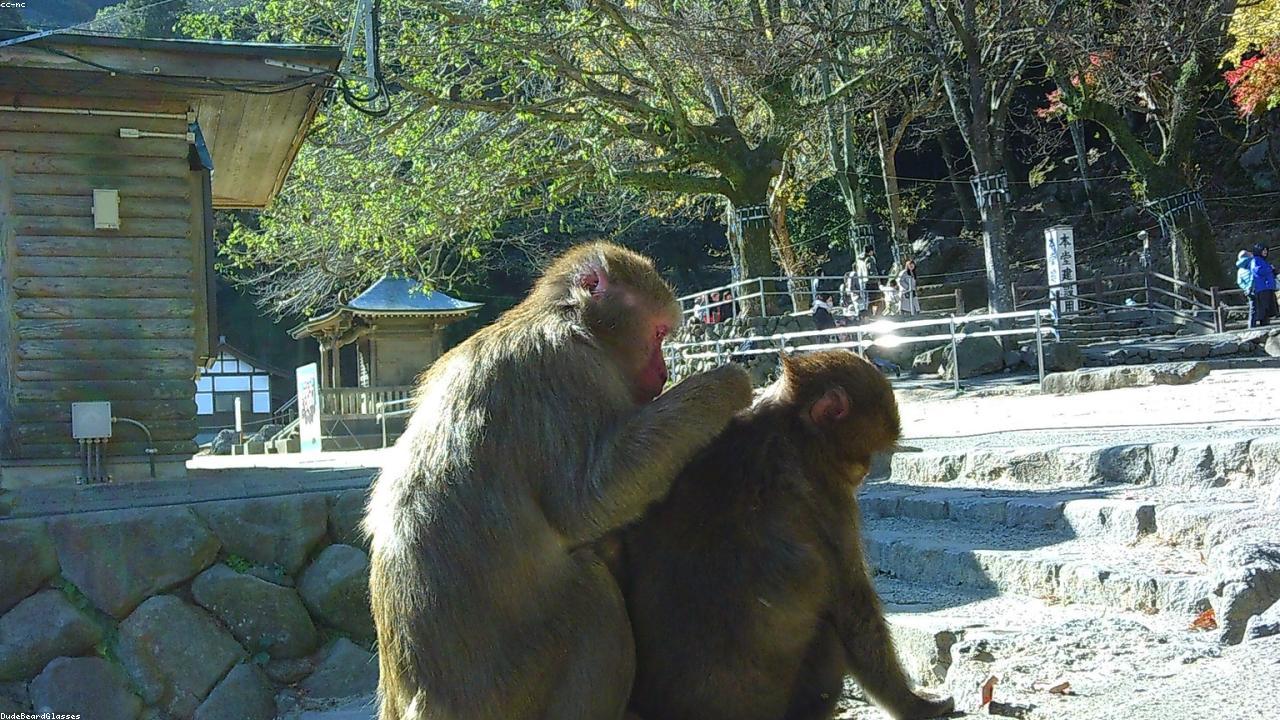
The first time Eleanor Hodge saw the doe in her side pasture, she assumed it was passing through. Deer cross the property every day. The unusual part was the cat sitting beside it.
Rutherford, a large orange tabby of indeterminate age, came with the farm when Hodge and her wife bought it in 2019. He has never been a friendly cat. He tolerates humans at a distance of about ten feet and prefers the company of the barn mice he hunts.
The doe, which Hodge has taken to calling June, appeared in early March. She is a yearling, by the look of her, slim and still carrying the rougher coat of late winter. She came down the wooded ridge behind the house, walked across the pasture, and lay down in the lee of the woodshed. Rutherford was already there, dozing on a stack of split maple.
Hodge expected the cat to flee. Cats and deer do not, in her experience, fraternize. Rutherford did not flee. He opened one eye, looked at the doe, and went back to sleep. The doe folded her legs under her and stayed for an hour and a half.
They have repeated the arrangement most mornings since.
Dr. Walter Cottrell, a retired wildlife veterinarian who consulted for the Vermont Fish and Wildlife Department for three decades, watched the footage twice before responding to a request for comment.
Hodge runs a small herd of Icelandic sheep and sells wool through a cooperative in Hardwick. She is not given to sentimentality about animals. But she has begun to keep a phone in her apron pocket so she can film what she sees.
In one clip, posted to a local farming forum in mid-April, the doe walks deliberately up to the cat, who is sitting on the woodshed step. The cat does not move. The doe lowers her head and breathes on him for several seconds. The cat blinks, slowly. Then the doe lies down beside him.
Dr. Walter Cottrell, a retired wildlife veterinarian who consulted for the Vermont Fish and Wildlife Department for three decades, watched the footage twice before responding to a request for comment.
"It is striking," he said. "It is also not unprecedented. Young deer that have been separated from their mothers early, or that grew up near human habitation, sometimes show very low fear responses to domestic animals. The cat appears comfortable. The deer appears comfortable. That is what we are seeing."
Cottrell offered the obvious cautions. June is a wild animal. She should not be fed. She should not be approached. If she begins to associate humans with food, her chances of being killed on a road or by a hunter rise sharply.
Hodge said she has followed that advice. She has put no feed out. She has asked the few visitors to the farm not to approach the woodshed. June has not, so far, come closer to the house than about forty yards.
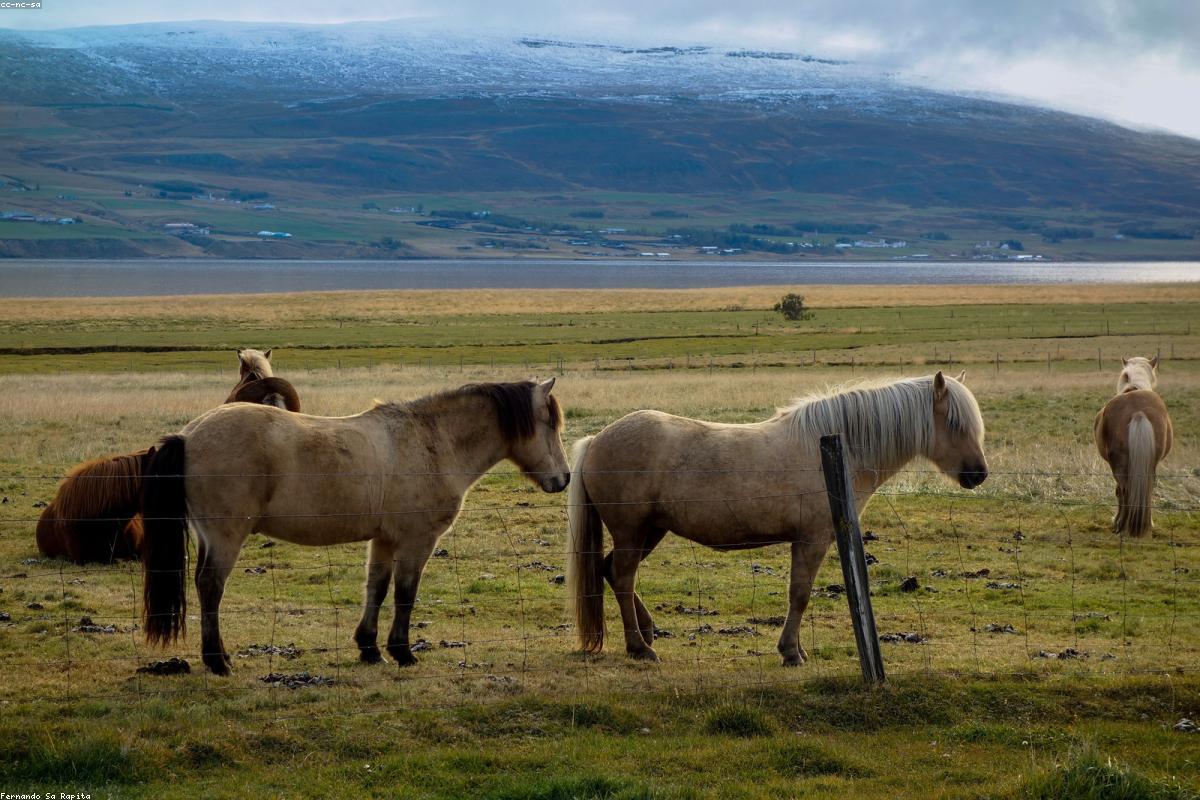
What draws her, then, to the cat, remains an open question. One possibility is simple warmth. The south side of the woodshed catches the morning sun. Another is the salt block Hodge keeps for the sheep, which sits within a few feet of Rutherford's preferred spot.
A third possibility, harder to test, is that the doe is lonely. Yearling whitetails, recently displaced by their mothers in advance of new fawns, often spend the spring alone. Cottrell has observed that solitary yearlings sometimes attach to other species, including cattle and goats.
"They are social animals," he said. "They prefer not to be alone. If a cat will tolerate them, a cat will do."
Whether the friendship lasts past fawning season is another matter. By June, the doe may have a fawn of her own to mind. She may stop coming. She may bring the fawn with her.
Hodge has stopped speculating. She fills the coffee pot, walks out to the woodshed in the cool of the morning, stops at a respectful distance, and watches.
The cat, she said, has begun to purr.
Filed under
Written by
Priya Mehta
Priya Mehta writes for The Shoreline on stories worth sitting with.
The Reader Mail
Receive each new issue.
A weekly letter with the new pieces, an editor's note, and one quiet recommendation. No advertising. Unsubscribe at any time.
We send roughly one letter a week. We do not share the list with anyone.
More in Animals
Keep reading
Animals
A Captive Raven in Vienna Has Learned to Mimic the Sound of a Window Opening
Marcus Bell · 3 min read
Animals
A Bear Cub Rescued From the Cascade Fire Returned to the Wild in May
Lila Renshaw · 3 min read
Animals
A Five-Year-Old Beagle Felt Grass for the First Time on Tuesday
Priya Mehta · 3 min read